NEW DELHI: For Tejas Nandakumar, India’s national record holder in the Men’s S7 100m backstroke, the past 24 hours have been a whirlwind of disbelief.The 20-year-old from Bengaluru is due to compete in the upcoming Commonwealth Games in Glasgow, starting on July 23, and everything is looking up this time around. The training, the qualifying times, the visa papers, even the measurements of his ceremonial kit, were done. When the official list of participants was released on Friday, his name was there. Twenty-four hours later, everything fell apart. Tejas is fully qualified for the Men’s 50m Freestyle S7, and his slot has been accepted. But on Saturday morning, he was informed that he had been ruled ineligible, not because of anything to do with his swim, but because of his classification status.His current designation, Review-2025, does not meet the requirement of a confirmed status or a locked-in review date of 2027 or later.“I am completely devastated. It has nothing to do with my swimming, my fitness, or my performance,” he told TimesofIndia.com during an exclusive interaction. “It’s a strict technicality that’s running out of time.”The classification determines how athletes are grouped according to the nature and extent of their impairment, ensuring fair competition in para sport.A “Review 2025” means that international classifications have decided that his sport class may change and should be re-evaluated before or during 2025. In contrast, a “Confirmed” classification indicates that the athlete’s sport class is considered stable and is not expected to change.Under Commonwealth Games eligibility rules, athletes must hold a confirmed classification or have a review date set for 2027 or later to ensure stability. Since Tejas’ review is scheduled for 2025, he is considered ineligible despite qualifying on merit.
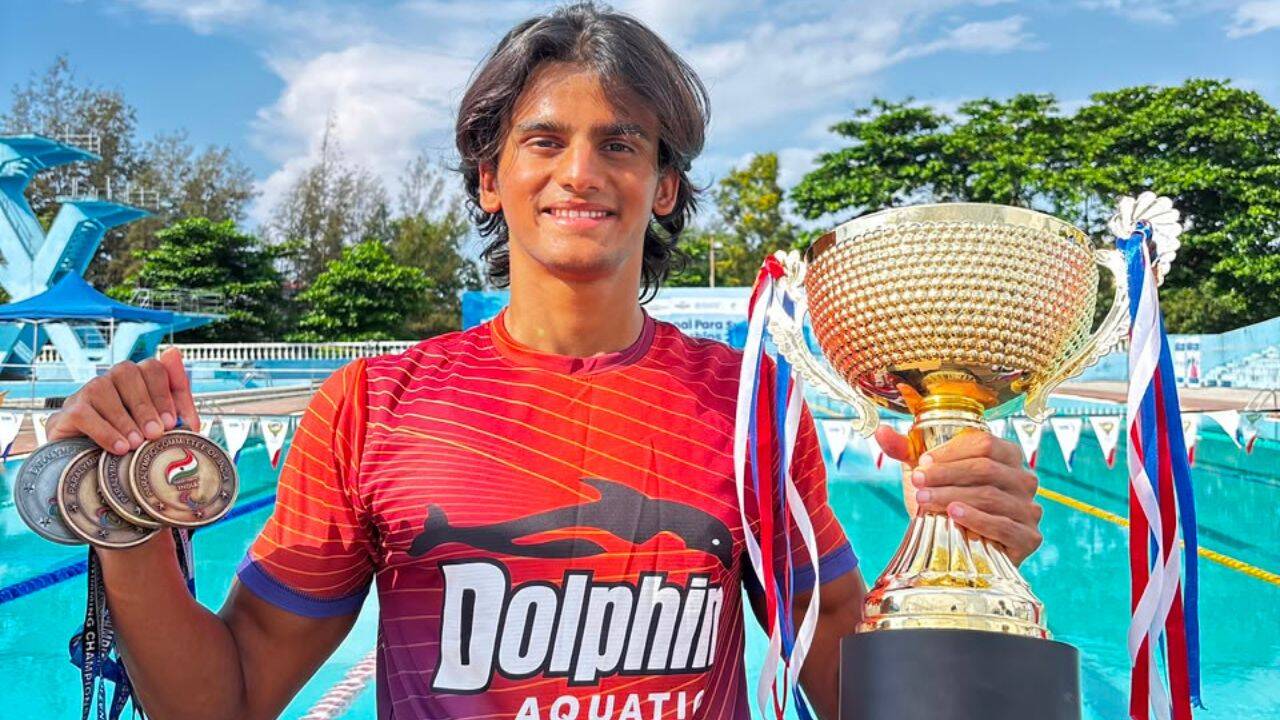
Can this situation be avoided?“Maybe. But the administrative scheduling and paperwork needed to lock in that status simply didn’t happen in time,” he added.The rejection was particularly painful as he had spent the last 18 months chasing qualifying opportunities in three countries. He competed in Barcelona, Paris and Australia, financing a trip himself, in order to get the status necessary for Glasgow.One of the tests came at his own expense. Tejas said he personally financed his trip to Paris, hoping it would help secure the classification needed to remain eligible for Glasgow. But he didn’t get the classification window he needed to reassess his condition. When he noticed the trouble looming for the Commonwealth Games, he tried again, submitting entry fees in March 2026 for a meeting in Fuji-Shizuoka, Japan. That attempt also failed, as he never got a slot and eventually withdrew.“Honestly, to say I am absolutely gutted is an understatement,” he admitted. “You pour your life into representing your country, and a realistic shot at a medal taken on a technicality without even diving into the pool is a tough pill to swallow.”He believes that Indian sporting bodies, the Sports Authority of India (SAI) and Paralympic Committee of India (PCI) among them, have the capacity and opportunity to close this gap before it costs an athlete a podium, especially in the Asian Para Games and the Paralympics on the horizon.“PCI is actually in my corner and trying to support,” he told this website. “From what I understand of the process, it comes down to a matter of administrative priority; if it is pushed more proactively, that classification window is likely to be secured.
“It’s very difficult to get a classification slot”. PCI:
When asked if the governing body tried to intervene, Virender Kumar Dabas, Chairman of Para-Swimming for the Paralympic Committee of India, told TimesofIndia.com. “No, pushing things doesn’t work here. He would have classified himself. He should be reclassified in 2025. He should have been more careful, and he was always reminded.”While acknowledging that Tejas had traveled to events in Paris and Australia only to miss out due to massive backlogs, Dabas said,
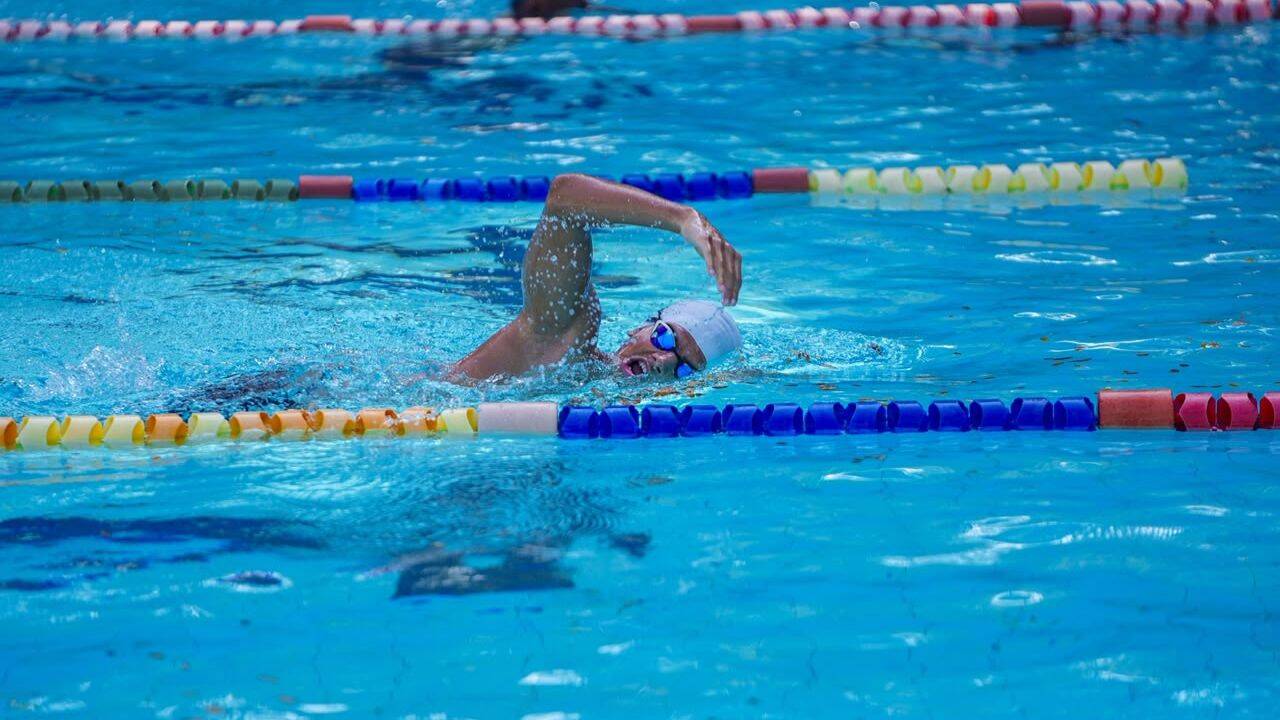
“The allocation of a classification slot is the right of World Para Swimming. Especially in Europe, it is very difficult to get a classification slot… because many are in a hurry, many are waiting. When he went to Paris, he didn’t get the classification slot. It’s very sad.”Dabas emphasized that the PCI has no say in the Commonwealth Games selections and ruled out the possibility of last-minute political interventions.“We don’t choose the athletes. The choice comes from the top, from the international body. If there was a problem with the document, that would have been ratified, corrected,” he added.Dabas concluded that the result was a definitive, albeit unpleasant, fact that the athlete was warned about.“He’s a good kid, but he’s sad. What to do? We told him before that even if his name comes from the World Para Swimming through the IOA, the chances are slim,” he added. “He was informed about this. Because they checked one by one, they found out that he is not eligible to participate in 2026.”
“I hold my head up”. Tejas Nandakumar
To prevent similar situations in the future, Nandakumar called for a dedicated classification fund separate from the standard “Foreign Exposure” competition budgets, as the current policy usually covers only one international meeting a year, along with a system that identifies and prioritizes medal contending athletes for classification opportunities in advance, with a two to three year planning cycle. during the planning for the competition.“They should prioritize the top swimmers,” Nandakumar said. “I just hope this brings immediate attention to these administrative timelines so we can protect others from ending up in situations like this.”For now, Tejas insists that this failure will not define him. “I hold my head up high. I’m not going to let it define me,” he concluded. “My focus shifted immediately, and my eyes were fully locked on preparing and delivering for India in the upcoming Asian Para Games.”