For millions of children, lunchtime is one of the most anticipated parts of the school day. But what ends up on their plate or in their lunchbox depends almost entirely on where they live. While some students bring home-made tiffins packed by their parents every morning, others line up in school canteens for a freshly prepared hot meal. In some countries, lunchtime is even treated as part of the day’s learning rather than a break between classes.The differences go far beyond the food itself. Around the world, governments, schools and families take very different approaches to feeding children during the school day. Some countries run national meal programs with nutritional standards set by the government. Others expect parents to pack a lunch from home, while many schools offer a combination of both. The result is that two children of the same age, studying thousands of miles apart, can have completely different lunch experiences.Take India, for example. Many students in government schools are given cooked meals under the PM POSHAN scheme, while children in private schools often bring tiffins filled with home-prepared food or buy snacks from the school canteen. Move to Japan and students usually eat school lunches together in their classrooms, often serving each other’s meals. In the United States, many children go to large school cafeterias, while in Australia, takeaway lunches are still the norm.From rice and soups to sandwiches, salads and homemade curries, school lunches reflect much more than local food preferences. They also offer insight into each country’s education system, public health priorities and everyday culture. Here’s a look at what school lunches look like in the US, UK, China, Japan, South Korea, Australia, Germany and India.
United States: Federally supported cafeterias and lunches
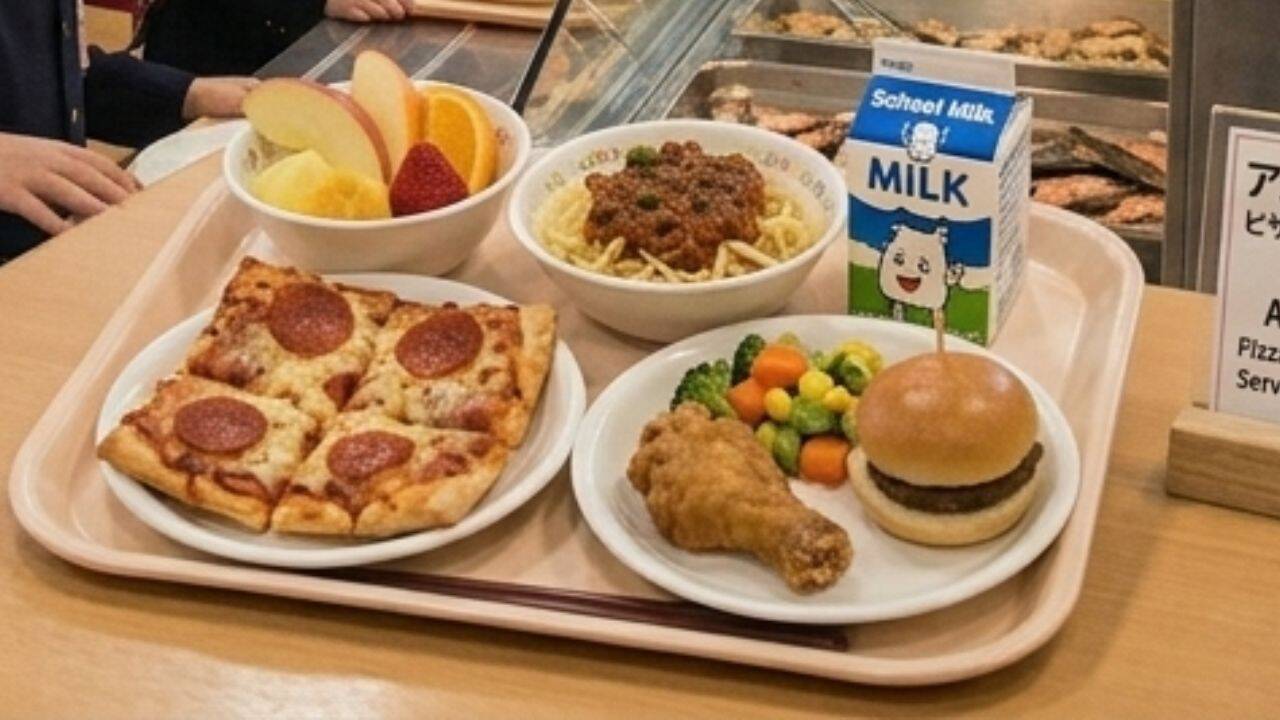
In the United States, many students eat lunch in school cafeterias. Schools that participate in the National School Lunch Program offer nutritionally balanced meals, with free or reduced-price lunches available to eligible children. The program, run by the US Department of Agriculture (USDA), has been in place since 1946. Schools must follow federal nutrition standards for the meals they serve. A typical school lunch might include a main course such as pizza, pasta, chicken, hamburgers, or tacos, along with fruit, vegetables, and milk. Menus vary by school district, but schools participating in the federal program must meet nutritional requirements.
.
United Kingdom: School dinners and packed lunches
In England, many students eat school dinners, while others bring packed lunches from home. The government has school feeding regulations which set rules about what food can be served in schools. Meals should include fruits and vegetables every day, starchy foods, dairy products and regular portions of protein such as meat or poultry, while foods high in fat, salt and sugar are restricted. Eligible children can also receive free school meals. School dinners usually include dishes such as roast chicken, fish fingers, pasta, jacket potatoes or curry served with vegetables, fruit and dessert. Children who bring packed lunches usually bring sandwiches, wraps, fruit, yogurt and snacks from home.
China: School canteens are common
In China, most students eat lunch in school cafeterias, especially in urban areas where many schools prepare meals on campus. In rural areas, the government has introduced nutritional support programs to improve meals for students in compulsory education. Menus vary greatly between regions, schools and local food traditions.School canteens usually serve rice or noodles with vegetables and a meat dish such as chicken or pork. Soup and seasonal fruit are also common, although menus differ between provinces and schools.
Japan: Lunch is part of learning
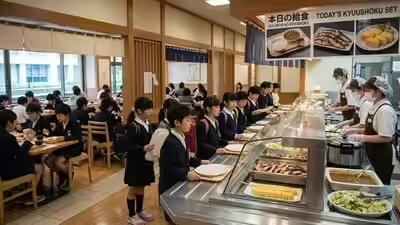
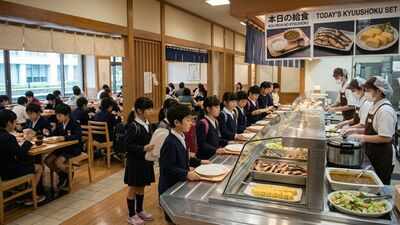
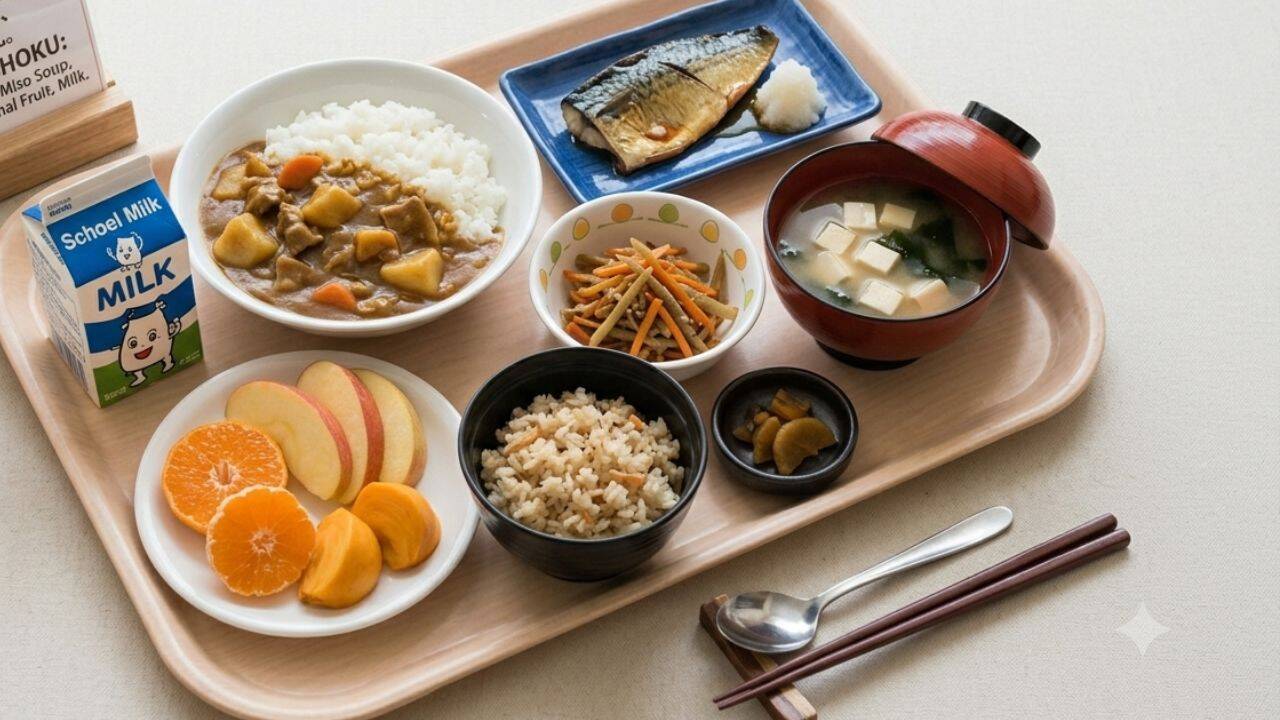
Japan’s school canteen system is often considered one of the most organized in the world. Almost all primary schools and most secondary schools offer school lunches. Instead of eating in large cafeterias, students usually eat together in their classrooms. They also take turns serving food to classmates, help clean up afterward, and learn about nutrition and teamwork as part of the school day. A standard Japanese school lunch often includes steamed rice, grilled fish or chicken, miso soup, vegetables, milk, and seasonal fruit. Some schools also serve curry rice, one of the most popular school meals in the country.
.
South Korea: Hot meals planned by nutrition experts
Schools in South Korea are known for serving freshly prepared hot meals that often include rice, soup, vegetables and side dishes. Public schools generally provide school meals, and nutrition teachers or dietitians help plan balanced menus according to national standards. The quality of meals can vary between schools, but lunch is considered an important part of student well-being. Students are usually served rice, soup, kimchi, and various side dishes, which may include fish, meat, eggs, tofu, or vegetables. Fresh fruit or yogurt is also served in many schools.
South Africa: Government meals for millions of students
South Africa runs the National School Nutrition Program (NSNP), which provides daily meals to millions of students attending public schools, particularly those in the poorest communities. The program aims to improve nutrition, encourage school attendance and help children concentrate better in class. Meals are prepared at schools or by local service providers, and menus are designed to meet nutritional guidelines set by the government.A typical school meal may include cornmeal (pap), rice, or samp, served with beans, lentils, vegetables, soy sauce, chicken, or other proteins depending on the menu. Seasonal fruit is also offered in many schools. Children attending wealthier schools can buy food from school shops or bring packed lunches from home
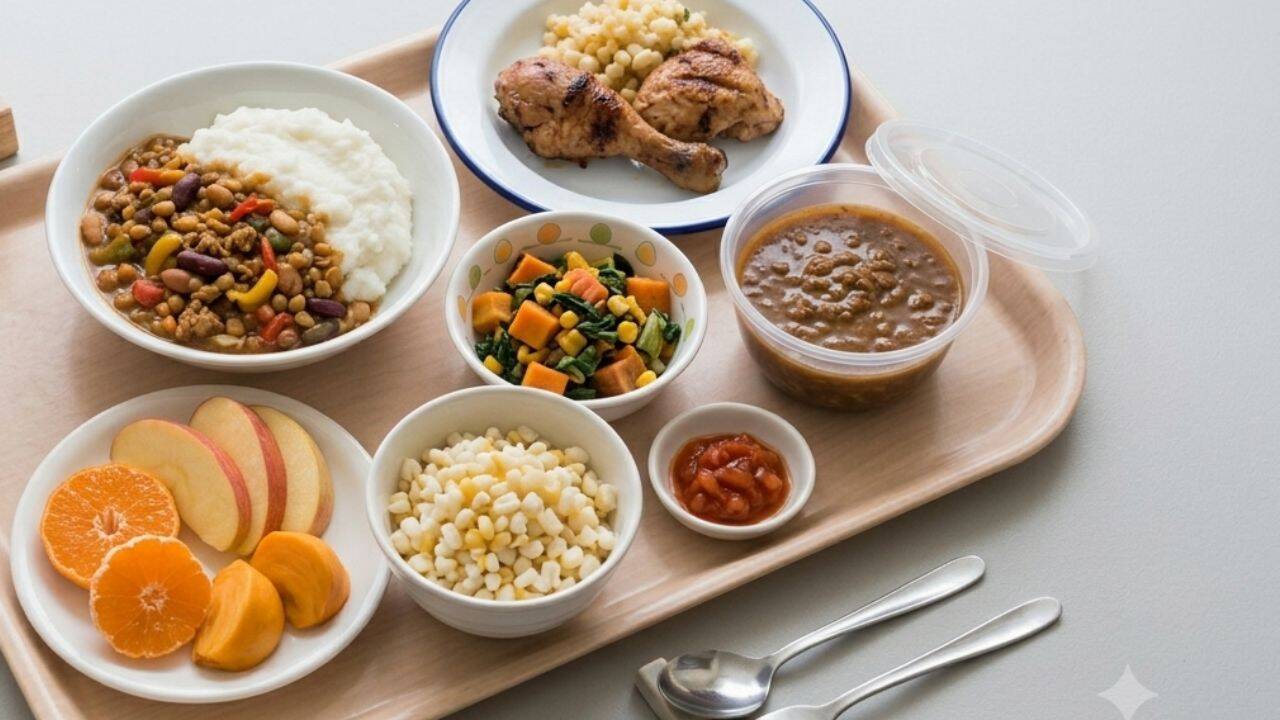
.
Australia: Home cooked food is the best
Unlike many other countries, Australia does not have a national government-funded school lunch program. Most children bring lunchboxes from home, although many schools have canteens where students can buy food. Some states and schools also run breakfast or meal programs for students who need extra support. Since most children bring food from home, lunchboxes often contain sandwiches or wraps, fruit, vegetable sticks, cheese, yogurt, and snacks. School canteens usually sell sandwiches, salads, hot meals and drinks.